A safe, clean property rarely happens by accident. Most homes that stay comfortable and functional over the years are backed by consistent maintenance habits, smart preventative upgrades, and homeowners who pay attention to small warning signs before they become expensive emergencies.
Many people think about home maintenance only after something goes wrong. A branch crashes onto the roof during a storm. A backed-up drain floods part of the basement. A pest problem spreads behind walls before anyone notices. In reality, the safest homes are usually the ones where problems are addressed early, and outdoor areas are maintained just as carefully as indoor spaces.
Cleanliness and safety also work together more closely than many homeowners realize. Overgrown landscaping can create hiding places for pests. Poor drainage can lead to slippery walkways and mold growth. Damaged exterior materials can allow moisture inside the home, slowly weakening structural components over time.
Improving a property does not always require major renovations. In many cases, the most effective changes are practical ones: trimming back trees, improving drainage, repairing damaged siding, organizing waste storage, or strengthening property boundaries. Small improvements made consistently can dramatically reduce long-term risks while making a home feel more comfortable and inviting every day.
Removing Dangerous Outdoor Hazards Before They Escalate
Large trees can add beauty, shade, and privacy to a property, but neglected trees can also become one of the biggest safety hazards around a home. A cracked limb hanging over a driveway may seem harmless until a heavy storm sends it crashing onto a vehicle. Weak roots can destabilize sidewalks, fences, and even sections of a foundation.
Many homeowners delay tree removal because the damage is not always obvious at first glance. A tree can appear healthy while internal decay slowly weakens the trunk from the inside out. Mushrooms growing near the base, hollow sections in the trunk, or sudden leaning after heavy rainfall are all warning signs that should not be ignored.
One homeowner might notice only a few dead branches after a storm and assume the tree will recover naturally. Months later, those weakened limbs may continue deteriorating until they eventually fail during high winds. Situations like this are why regular inspections matter, especially for mature trees located near structures or utility lines.
Professional evaluations can help determine whether a tree can be saved or whether tree removal is the safer option. Removing a hazardous tree early often costs far less than repairing roof damage, broken fencing, or crushed vehicles later.
Even healthy trees require ongoing maintenance. Overgrown branches that scrape against roofing materials can slowly wear down shingles over time. Limbs hanging over walkways create hazards during windy weather, especially in neighborhoods with frequent storms.
Routine care also improves visibility and overall cleanliness across the property. A yard with properly maintained trees tends to feel brighter, safer, and easier to navigate. Investing in tree trimming services can help homeowners reduce storm-related risks while encouraging healthier long-term growth for surrounding landscaping.
Keeping Outdoor Areas Less Attractive to Pests
Pests rarely appear without a reason. Most infestations begin because a property quietly provides what insects or rodents need: moisture, shelter, food, or warmth.
Sometimes the source is surprisingly simple. A leaking outdoor faucet may create standing water near the foundation. Thick vegetation pressed against exterior walls can give rodents hidden pathways into crawl spaces. Overflowing garbage bins can attract insects long before homeowners notice a growing problem.
The challenge is that many pest issues develop gradually. A few ants in the kitchen may not seem urgent. A scratching sound in the attic might be ignored for weeks. By the time the problem becomes obvious, damage may already exist behind walls, beneath flooring, or inside insulation.
Creating a cleaner outdoor environment significantly reduces these risks. Homeowners can often lower pest activity by focusing on a few consistent habits:
- Trim bushes and shrubs several feet away from exterior walls
- Remove leaf piles and decaying yard debris regularly
- Store firewood away from the home
- Repair outdoor leaks quickly
- Keep trash containers sealed tightly
In some cases, professional help becomes necessary, especially when infestations spread into structural areas of the home. A reliable pest control service can identify hidden entry points and address underlying conditions contributing to recurring issues.
Seasonal changes also influence pest behavior. During colder months, rodents often search for indoor shelter. During hot, humid periods, insects become more active around damp areas. Homeowners who adjust maintenance routines throughout the year usually experience fewer recurring problems.
Clean outdoor spaces do more than improve appearance. They create an environment that is far less inviting to unwanted pests in the first place.
Strengthening Property Boundaries for Better Security

A property boundary does more than define where a yard begins and ends. Well-designed fencing can improve privacy, increase security, reduce noise, and help homeowners feel more comfortable using outdoor spaces regularly.
For families with children or pets, secure fencing provides peace of mind that cannot easily be replaced. It creates safer play areas while discouraging unwanted visitors or stray animals from entering the property.
However, not all fencing performs equally over time. Weather exposure, moisture, soil conditions, and maintenance habits all affect durability. Some homeowners discover too late that untreated wood fencing begins deteriorating after only a few years of neglect.
Working with an experienced fencing company often helps homeowners choose materials that better match their long-term needs instead of focusing only on initial installation costs.
For example, some people prioritize minimal upkeep because they already spend significant time maintaining landscaping and exterior surfaces. In these situations, vinyl fencing may offer practical advantages. Unlike wood, it does not require staining or repainting and generally resists moisture damage more effectively.
That does not mean every fence automatically remains maintenance-free. Even durable materials need occasional inspections. Loose posts, shifting gates, and poor drainage near fence lines can shorten the lifespan of nearly any installation.
Homeowners should also think carefully about visibility and lighting when improving outdoor security. Tall landscaping combined with poorly placed fencing can create hidden blind spots around entry points. In contrast, thoughtfully planned boundaries often improve both privacy and visibility at the same time.
The safest properties usually balance openness and protection. Fencing should support how the household actually uses the outdoor space rather than simply enclosing the yard without purpose.
Protecting the Exterior From Moisture and Structural Damage
Exterior problems rarely stay isolated for long. A small roof leak can eventually lead to insulation damage, mold growth, stained ceilings, and weakened framing. Cracked siding can allow moisture behind walls where deterioration quietly spreads for months before becoming visible indoors.
The difficulty is that many homeowners overlook subtle warning signs. A loose shingle after a storm may seem minor. Slight discoloration near siding joints might not appear urgent. Yet moisture intrusion often worsens gradually, especially during seasonal weather changes.
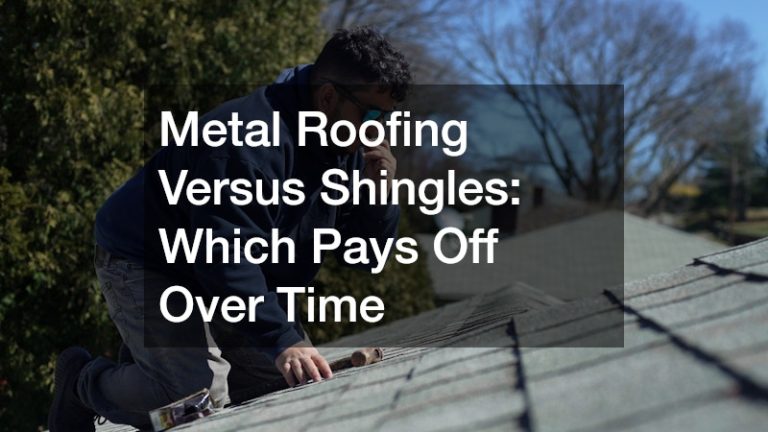
Experienced roofers frequently emphasize that preventative inspections save homeowners substantial money over time. Catching minor roof damage early is usually far less expensive than repairing widespread water damage later.
Homeowners should pay attention to several exterior warning signs:
- Missing or curling shingles
- Soft spots near the roof edges
- Water stains on ceilings or attic surfaces
- Peeling paint around exterior trim
- Warped or cracked siding panels
- Persistent mildew growth near gutters
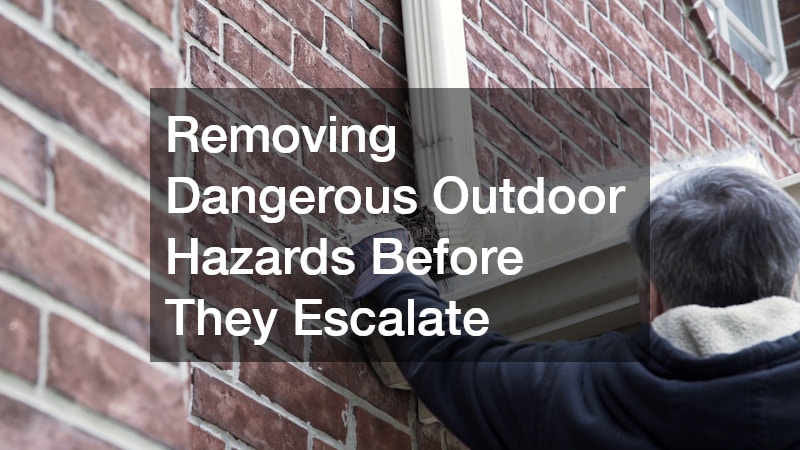
Exterior wall systems deserve just as much attention as roofing materials. Damaged siding can trap moisture behind the surface, creating conditions where mold and rot gradually spread. Skilled siding contractors often discover hidden water damage during what initially appeared to be routine repairs.
Ventilation also plays a major role in protecting exterior materials. Poor airflow inside attics or crawl spaces allows humidity to accumulate, increasing the likelihood of mold growth and wood deterioration. Homeowners sometimes focus only on visible damage while ignoring the underlying moisture problems causing it.
Seasonal maintenance helps reduce these risks considerably. Cleaning gutters, inspecting flashing around vents, and checking exterior caulking after storms can prevent minor problems from escalating.
A clean exterior is not just about appearance. It is closely connected to the long-term structural safety of the entire home.
Preventing Drain Problems Before They Create Unsanitary Conditions
Drainage issues have a way of disrupting daily life quickly. One slow sink may not seem like a major concern at first, but recurring drainage problems often indicate larger issues developing deeper within the plumbing system.
Homeowners sometimes adapt to early warning signs instead of addressing them. They avoid using one sink. They tolerate occasional odors from a floor drain. They rely repeatedly on chemical cleaners that temporarily improve flow without solving the actual blockage.
Unfortunately, ignored drain issues rarely disappear on their own.
A family might notice water pooling near a basement drain after heavy rain and assume the problem is weather-related. Weeks later, the same drain backs up during regular household use because debris buildup had already narrowed the pipe significantly.
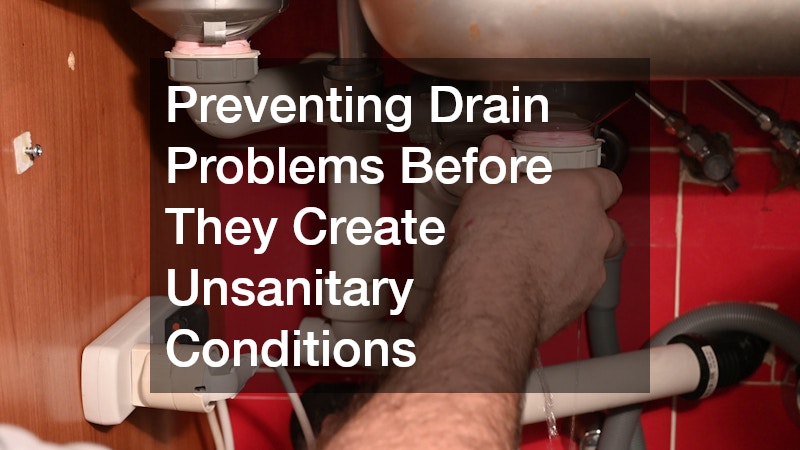
Routine local drain cleaning helps prevent these situations before sanitation problems develop. Professional cleaning can remove grease buildup, invasive roots, sediment accumulation, and other hidden obstructions that ordinary household products often fail to eliminate completely.
Good prevention habits inside the home also make a significant difference. For example:
- Avoid pouring grease down kitchen drains
- Use drain strainers in showers and sinks
- Flush plumbing systems periodically with hot water
- Keep outdoor drains clear of leaves and debris
Outdoor drainage deserves equal attention. Poor water flow around the property can create muddy walkways, slippery surfaces, and foundation moisture problems. During colder months, standing water may freeze and create additional safety hazards.
One of the biggest mistakes homeowners make is waiting until a complete blockage occurs before taking action. By that point, backups may already be affecting flooring, drywall, or nearby storage areas.
Clean drainage systems help support a cleaner property overall. They reduce odors, improve sanitation, and lower the likelihood of unexpected water damage disrupting the home.
Maintaining Outdoor Visibility and Safer Walking Areas
A property can look attractive while still containing hidden safety risks. Overgrown branches may block lighting near walkways. Thick landscaping can limit visibility around driveways. Uneven pathways concealed by vegetation increase the likelihood of trips and falls, especially at night.
Outdoor maintenance becomes particularly important during seasonal weather changes. Heavy growth in spring and summer often creates conditions that homeowners barely notice until visibility worsens significantly.
One homeowner may gradually become accustomed to low-hanging branches brushing against the garage roof each time the wind blows. Guests visiting the property, however, immediately notice how dark and obstructed the area feels after sunset.
Regular pruning helps maintain safer outdoor movement throughout the property. Strategic trimming improves lighting exposure, increases visibility around entrances, and prevents branches from interfering with utility lines or structures.
In many cases, tree trimming services contribute not only to safety but also to the long-term health of the landscape itself. Removing dead or overcrowded limbs encourages healthier growth patterns while reducing the risk of storm-related breakage.
Property owners should periodically walk through outdoor spaces from a visitor’s perspective. Areas that feel familiar to the homeowner may still contain overlooked hazards, such as:
- Cracked walkways hidden by plants
- Low branches near parking areas
- Poor lighting around gates
- Slippery moss growth near shaded paths
Maintenance routines become far easier when handled consistently instead of all at once. Small seasonal adjustments usually require far less effort than attempting major cleanup projects after months of neglect.
A cleaner, more open outdoor environment also changes how people use the property. Families tend to spend more time outdoors when walkways feel accessible, visible, and comfortable year-round.
Managing Waste and Fuel Storage More Responsibly
Some of the most serious property hazards develop quietly in areas homeowners rarely think about. Overflowing trash storage, improperly placed fuel tanks, and neglected utility areas can all create unnecessary risks when left unmanaged.
For example, outdoor clutter often attracts rodents and insects long before homeowners recognize the connection. Loose garbage bags, scattered debris, or poorly maintained disposal areas create ideal conditions for pests seeking food and shelter.
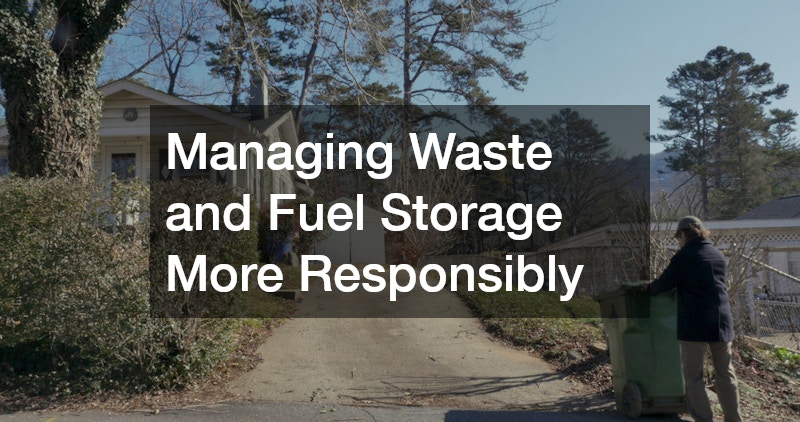
Reliable garbage pickup plays a larger role in property cleanliness than many people realize. Missed disposal routines can quickly lead to odors, overflowing bins, and sanitation concerns that affect the entire outdoor environment.
Fuel storage requires similar attention. Households using propane should ensure tanks remain clear of overgrown vegetation, combustible materials, and excessive debris buildup. Adequate ventilation around storage areas is essential for both safety and equipment longevity.
Sometimes homeowners unintentionally create risks through simple convenience. Storing flammable materials too close to utility areas or allowing clutter to accumulate around fuel tanks may not seem dangerous immediately, but these habits can increase fire hazards over time.
A cleaner utility area usually results from straightforward maintenance habits rather than major effort. Some homeowners establish short weekly routines that include:
- Inspecting trash storage areas
- Cleaning around outdoor utility equipment
- Removing unnecessary clutter
- Checking for leaks or corrosion
- Ensuring pathways remain accessible
Consistency matters more than perfection. Even small maintenance habits performed regularly help reduce long-term safety concerns.
Well-maintained outdoor utility areas also improve emergency access if repairs become necessary later. Service technicians can work more efficiently when tanks, shutoff valves, and disposal areas remain clear and accessible.
Building Long-Term Habits That Protect the Entire Property
Creating a safer and cleaner property is rarely about one major project. More often, it comes down to dozens of smaller decisions repeated consistently over time.
Homeowners who stay proactive usually experience fewer emergencies because they address minor issues before they escalate. They notice changes earlier. They maintain outdoor spaces regularly. They understand that cleanliness and safety are deeply connected rather than separate responsibilities.
Some improvements are highly visible, like replacing damaged fencing or trimming overgrown trees. Others happen quietly in the background, such as improving drainage, organizing utility areas, or scheduling preventative inspections before storm season arrives.
The goal is not perfection. Every property requires ongoing attention. Weather changes, materials age, and outdoor conditions shift throughout the year. What matters most is creating routines that make maintenance manageable instead of overwhelming.
A safer property also tends to feel more comfortable and welcoming. Clean walkways, healthy landscaping, secure boundaries, and well-maintained exterior surfaces all contribute to peace of mind in ways that homeowners often notice only after improvements are made.
When small problems receive attention early, larger disruptions become far less common. Over time, those consistent efforts protect not only the physical condition of the home but also the people living there every day.
About the Author