Water is a paradox in homeownership. It is essential for survival but can be destructive to residential structures. Uncontrolled moisture compromises structural integrity, insulation, cosmetic finishes, and fosters biological contaminants like mold. Mold thrives in darkness and dampness, affecting organic building materials and releasing spores detrimental to indoor air quality and respiratory health.
Many homeowners react to moisture issues after damage occurs, such as fixing leaks or removing mildew. However, long-term protection requires a proactive approach. Preventing water and mold damage depends on the design, maintenance, and integration of your home’s structural envelope and mechanical systems. Understanding moisture interaction with your home allows you to establish safeguards for a dry, healthy, and structurally sound home.
Implement Direct Water Shedding on the Roofline
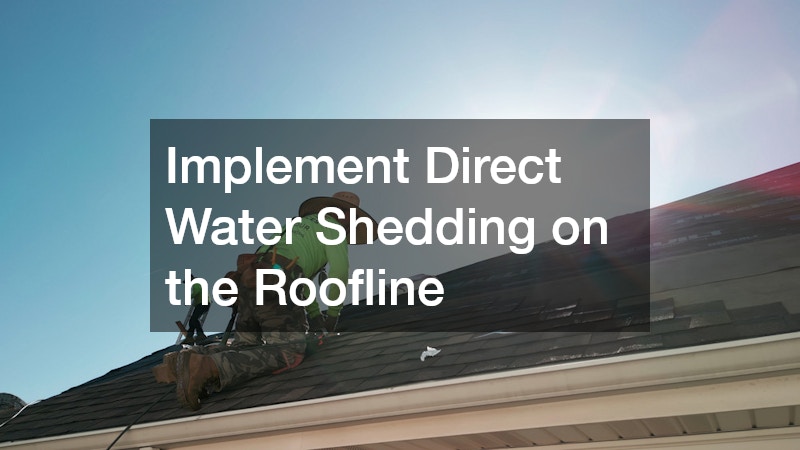
A home’s roof bears the brunt of environmental exposure. Ensuring that water moves efficiently off the roof deck and away from the foundation is a fundamental maintenance priority. Consider the following structural checkpoints to keep your roofline completely watertight:
- Inspect and Seal Flashing Valleys: Roof valleys, where two roof slopes meet, manage large volumes of water. Use durable metal flashing and keep these areas clear of debris like leaves and pine needles to prevent water backup beneath the shingles.
- Maintain Roof Penetrations: The areas surrounding chimneys, plumbing vents, and skylights are highly susceptible to failure. The rubber boots around vent pipes degrade over time due to UV exposure and require routine inspection and replacement.
- Optimize Gutter Pitch and Extension: Gutters must be pitched accurately toward downspouts to prevent standing water. Furthermore, downspouts should extend at least five feet away from the home’s foundation, discharging water into areas that slope away from the structure.
- Address Shingle Degradation Early: Missing, curling, or cracked shingles expose the felt paper and wood decking to moisture. Scheduling professional roof repairs promptly ensures small breaches do not lead to structural rot or attic mold.
Invest in Heavy-Duty Exterior Cladding and Flashing
Once water safely clears the roof, the exterior walls take over the responsibility of moisture protection. Wall assemblies must be designed to keep liquid water out while allowing any trapped vapor to escape.
- Utilize High-Quality House Wrap: Beneath your siding is a vital weather-resistant barrier. Modern house wraps serve as a one-way valve: they prevent liquid water from penetrating the wall cavity from outside, while their microscopic pores let internal moisture vapor escape, keeping the wall studs dry.
- Prioritize Fiber-Cement or Engineered Wood: Traditional wood siding is highly prone to absorbing moisture, expanding, and rotting. Upgrading to fiber-cement or treated engineered wood offers superior resistance to moisture, warping, and fungal decay.
- Seal Windows and Doors Correctly: The junctions where windows and doors meet the exterior walls are notorious leakage points. End-dams and pan flashing must be installed at the sills of these openings to direct any intruding water safely back to the exterior.
- Work with Qualified Professionals: Installing complex, multi-layered exterior systems requires a precise understanding of water-shedding mechanics. Partnering with certified siding contractors ensures that flashing sequences, vapor barriers, and expansion gaps are executed according to modern building codes, keeping your home’s frame dry.
Upgrade to Corrosion-Resistant Piping and Smart Shutoff Valves
Aging plumbing infrastructure is an underlying ticking time bomb for water damage. Older homes constructed with galvanized iron or early-generation plastics are highly susceptible to sudden failures.
- Transition to PEX or Copper: Galvanized pipes rust internally, narrowing the water pathway and increasing pressure until a leak or rupture occurs. Copper is durable, while cross-linked polyethylene (PEX) is flexible, resists scale buildup, and can expand during freezing, reducing the risk of burst pipes.
- Install Smart Leak Detection Systems: Modern smart valves connect to your main water line and monitor flow rate, pressure, and temperature. If they detect an anomalous flow, indicating a hidden pipe break, they automatically shut off the water supply and alert your smartphone.
- Monitor Static Water Pressure: High water pressure stresses pipe joints, hoses, and valves. Use a pressure gauge to keep your home’s static pressure between 40 and 60 PSI. If it exceeds this, install a pressure-reducing valve.
- Rely on Structural Experts: Whenever you are altering water lines, re-routing drains, or upgrading to a tankless water heating system, hiring licensed plumbing services ensures that all joints are properly soldered or crimped, minimizing the risk of hidden internal leaks.
Establish a Rigorous Main Line and Hydro-Jetting Schedule
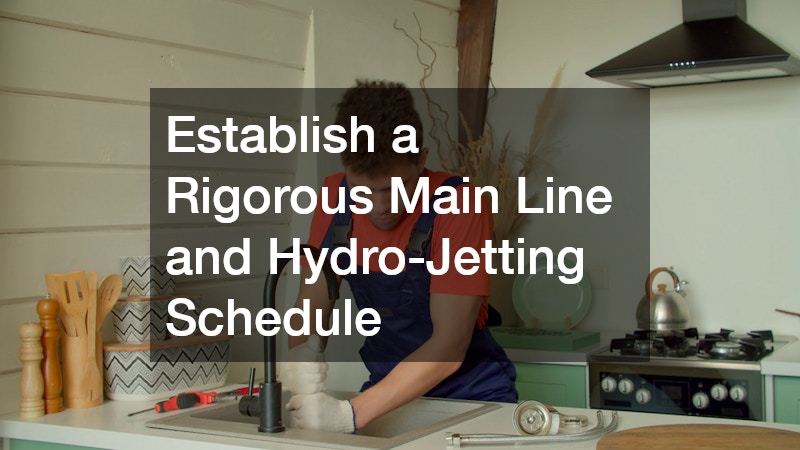
Wastewater management is just as critical as freshwater delivery. When drain lines clog or back up, wastewater has nowhere to go but backward, frequently overflowing out of low-lying fixtures like basement showers, floor drains, and toilets.
- Identify Early Warning Signs: Do not ignore slow-draining sinks, gurgling noises coming from your toilets, or foul odors emanating from floor drains. These are clear indicators that a restriction is forming in your waste stack or main sewer line.
- Combat Root Intrusion: Tree roots are naturally drawn to the moisture and nutrients inside sewer pipes. They can easily penetrate tiny cracks in older clay or cast-iron lines, growing into massive blockages that trap debris and cause catastrophic backups.
- Avoid Chemical Drain Openers: Over-the-counter chemical cleanout products are corrosive and generate heat in your pipes. Over time, these chemicals can weaken PVC joints and eat through aging metal lines, causing hidden leaks under cabinets or concrete slabs.
- Schedule Routine Professional Maintenance: Utilizing advanced drain cleaning services is the safest and most effective way to maintain clear pipes. Specialized technicians use video camera inspections to locate blockages and employ high-pressure hydro-jetting to scrub the interior walls of your pipes clean.
Maintain Specialized Kitchen Waste Systems
Kitchens handle immense volumes of organic waste, fats, oils, and grease. If these substances are allowed to cool and solidify inside your drain infrastructure, they create dense, stubborn blockages that are incredibly difficult to clear.
- Practice Proper Disposal Habits: Never pour liquid grease, bacon fat, or cooking oils down the kitchen sink. Allow them to cool and solidify in a disposable container, then throw them in the trash.
- Scrape Plates Thoroughly: Food particles and fibrous vegetables can get caught in the grease film inside your drain lines, accelerating the formation of a complete blockage.
- Utilize Dedicated Interceptors for High-Volume Systems: In larger residential estates, multi-family units, or homes with heavy commercial-grade kitchen usage, installing mechanical grease traps is an excellent investment. These devices sit inline between the sink and the main waste pipe, trapping oils and solid food scraps while allowing clean water to pass through. Regularly cleaning and maintaining these interceptors keeps organic sludge from congesting your home’s plumbing system.
Optimize Dehumidification and Thermal Airflow
Controlling indoor humidity requires a careful balance of mechanical ventilation, air circulation, and moisture removal. Your goal should be to maintain an indoor relative humidity level between 30% and 50% year-round.
- Deploy Dedicated Dehumidifiers: In naturally damp zones like basements and crawlspaces, a standalone or whole-home dehumidifier is essential. Ensure the unit is set to drain continuously via a hose into a floor drain so you never have to worry about an overflowing condensate bucket.
- Utilize Source Ventilation: Always run your bathroom exhaust fans during showers and for at least twenty minutes afterward. Similarly, use a kitchen range hood that vents completely to the exterior of the home when cooking to capture steam at the source.
- Promote Consistent Air Circulation: Stagnant air can trap high humidity in room corners or behind large furniture against exterior walls. Keep doors open and use ceiling fans to ensure uniform airflow.
- Schedule System Tuning: Your primary heating and cooling system is your home’s most powerful dehumidifier. Schedule an HVAC service each spring and fall to ensure it’s charged, filters are clean, and the system efficiently removes excess moisture.
Ensure Flawless Condensate Drain Lines
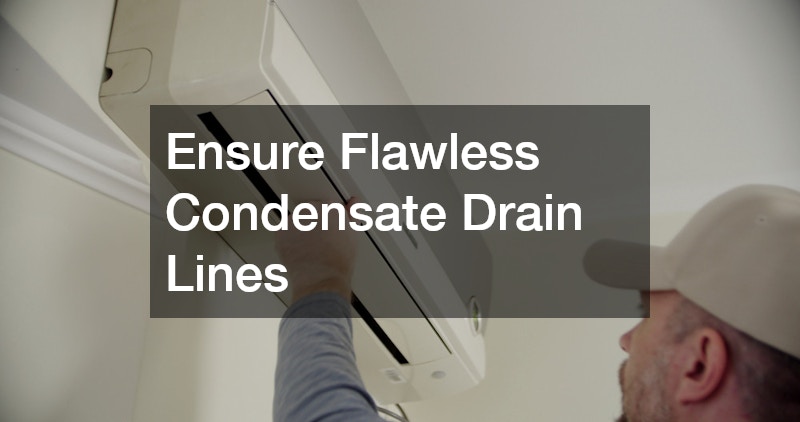
Your cooling system removes massive quantities of water from indoor air through condensation on the evaporator coil. If the infrastructure designed to carry this water away fails, it can dump gallons of water directly into your home’s interior.
- Clear the Condensate Drain Line: The dark, damp environment inside an air conditioner’s drain line encourages the growth of algae and bacterial slime. This slime can quickly clog the narrow PVC pipe, causing the condensate pan to overflow into your attic, ceiling, or utility room.
- Install a Float Switch Safety Device: A condensate overflow float switch is a small, inexpensive device installed inline with your drain pan. If water rises too high due to a clog, the switch instantly cuts power to the cooling system, preventing an expensive indoor flood.
- Keep Evaporator Coils Clean: Dust accumulation on your cooling coils acts like a sponge, holding onto moisture and restricting airflow. This can cause the coil to freeze into a solid block of ice, which later melts rapidly and overwhelms the drain pan.
- Invest in Routine Upkeep: Enlisting professional air conditioning services to inspect your cooling system ensures that your condensate pumps function correctly, drain lines are flushed, and cooling cycles are balanced to prevent ice accumulation and water overflows.
Calibrate Hard Water Infrastructure to Protect Appliances
The composition of the water entering your home plays an unrecognized role in the long-term health of your plumbing and appliances. Hard water contains high concentrations of dissolved minerals like calcium and magnesium, which pose a slow, invisible threat to your home’s structural integrity.
- Prevent Scale Buildup: As hard water is heated or pressurized inside appliances, these minerals precipitate out, forming a rock-hard scale inside tankless water heaters, washing machine valves, and dishwasher connections. This scale restricts water flow and causes internal components to overheat and crack.
- Protect Appliance Seals: Mineral crystals are abrasive. As water valves open and close, the scale can tear the rubber seals, leading to slow, hidden leaks beneath your heavy appliances that rot subflooring before being discovered.
- Extend Infrastructure Lifespan: Integrating comprehensive water treatment services, such as installing a whole-home water softener, neutralizes aggressive minerals. By replacing calcium and magnesium with sodium or potassium ions, you eliminate scale formation, protecting plumbing joints and ensuring appliances operate without leaking.
Apply Anti-Microbial Coatings in High-Moisture Zones
The finishes you choose for your interior walls and ceilings serve as a defensive skin, preventing occasional splashes or elevated steam from penetrating deep into the porous drywall sheets.
- Select the Right Paint Finish: Flat and matte paints are highly porous and absorb ambient moisture, making them prone to mildew growth in damp spaces. For bathrooms, kitchens, and laundry rooms, always opt for satin, semi-gloss, or high-gloss finishes, which dry down to a dense, water-resistant barrier.
- Utilize Vapor-Permeable Primers: In basements or rooms with concrete exterior walls, use specialized primers that allow the wall to breathe while preventing liquid water from bubbling the paint film.
- Incorporate Anti-Microbial Additives: Modern high-performance paints are frequently formulated with built-in biocides that actively inhibit mold and mildew spores from anchoring onto the surface.
- Consult with Professional Painters: Applying technical, moisture-resistant coatings requires meticulous surface preparation, including removing old, contaminated layers and treating existing mildew. Hiring an experienced interior painting company ensures your high-moisture walls are sealed with industrial-grade products that withstand frequent cleaning and high humidity.
Deploy Professional Containment If Moisture Breaches Exist
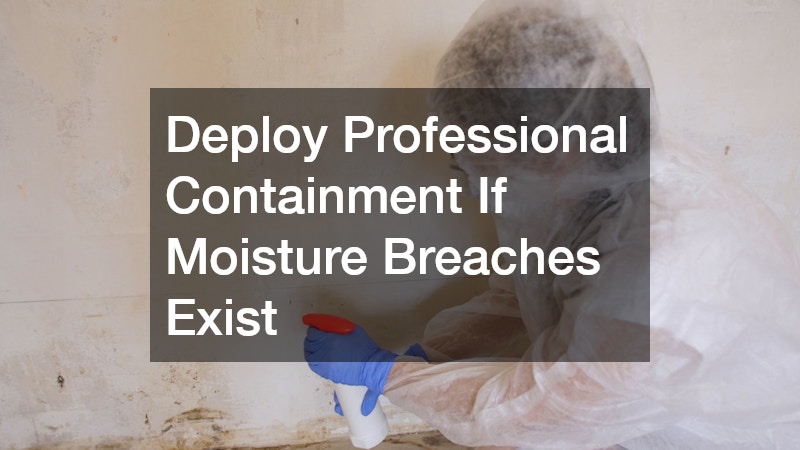
If a major leak occurs or a portion of your home is submerged by water, time is your absolute enemy. Mold spores can germinate and begin colonizing wet organic materials in as little as 24 to 48 hours. When dealing with extensive saturation, casual DIY cleanups are simply insufficient.
- Avoid Cross-Contamination: Simply running a standard household fan over a patch of moldy drywall will blast millions of microscopic spores into your central air system, spreading the contamination to every single room in your home.
- Establish Negative Air Pressure: True remediation requires sealing off the damaged zone with heavy plastic sheeting and utilizing industrial-grade negative air machines fitted with HEPA filters to exhaust contaminated air safely outdoors.
- Utilize Deep Structural Drying: Wood framing and subfloors can trap moisture deep within their core, even if the surface feels dry to the touch. Professionals use specialized moisture meters and commercial-grade dehumidifiers to extract deep-seated moisture from the home’s skeleton.
- Call in Certified Experts: If you find a hidden leak that has caused visible rot, peeling drywall, or a musty odor, don’t attempt to remove it yourself. Contact certified mold remediation services to safely remove all contaminated materials under strict environmental controls, ensuring your home is sanitized and safe to rebuild.
Building a resilient home against water and mold damage requires a multi-faceted approach. No single upgrade or task can protect a property indefinitely. True structural durability is achieved through a well-maintained exterior, a calibrated plumbing network, and a balanced indoor climate system. By investing in defensive exterior materials, upgrading modern plumbing, and staying on top of seasonal maintenance, you can prevent moisture issues from compromising your living space.
Maintaining a dry home is a continuous commitment but offers significant benefits. By establishing a seasonal maintenance schedule and addressing minor vulnerabilities, you protect your largest financial asset and cultivate a clean, stable indoor environment for the long-term health and well-being of everyone living in your home.
About the Author