Choosing between metal roofing and traditional shingles is one of the biggest financial decisions a homeowner will make, and the sticker price rarely tells the whole story. A roof that costs less upfront can end up costing more over twenty years through repairs, energy bills, and early replacement. This guide breaks down the real costs, lifespans, and hidden factors that determine which option actually pays off for your home. By the end, you will have a clearer picture of which material fits your budget, climate, and long-term plans.
Upfront Costs for Metal and Asphalt Roofs
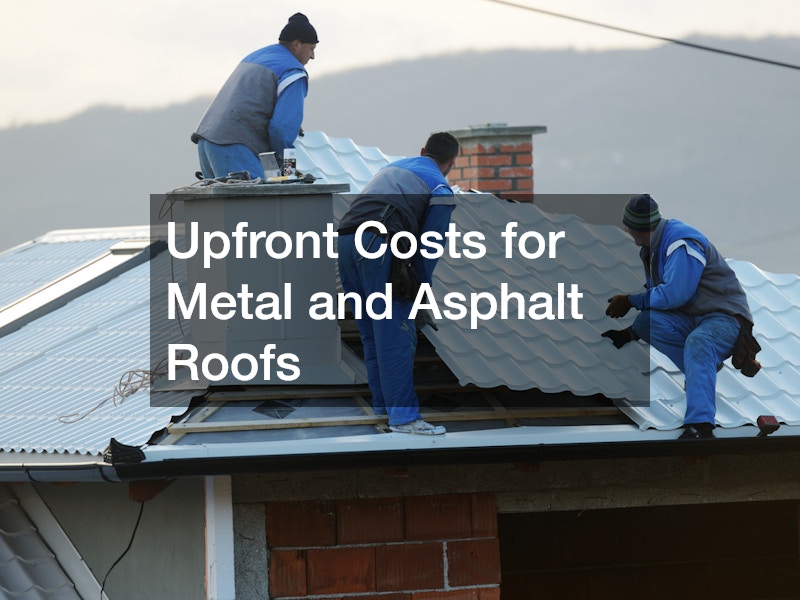
The initial price tag is usually the first thing homeowners compare, and it is where asphalt shingles have a clear advantage. Asphalt shingle roofs typically cost significantly less per square foot than metal, making them the go-to choice for homeowners working with a tighter budget. Metal roofing carries a higher material and labor cost because the panels, fasteners, and specialized tools require more skill to install correctly.
That said, the gap between the two has narrowed in recent years as metal roofing has become more mainstream and manufacturing has scaled up. When you request roof estimates from multiple residential roofing companies, you will often find that mid-range steel or aluminum panels are not as far out of reach as many people assume. Getting several quotes side by side is the best way to see how your specific home, roof pitch, and location affect the final number.
Expected Lifespan of Each Roofing Material
Asphalt shingles generally last between 15 and 30 years, depending on quality, climate, and maintenance, while metal roofs commonly last 40 to 70 years with proper care. This difference alone reshapes the entire cost conversation, because a metal roof installed today may outlive the homeowner’s time in the house entirely. Standing seam metal panels, in particular, are known for holding up against decades of sun, wind, and moisture without significant degradation.
Shingles, by contrast, tend to show wear earlier through curling, cracking, and granule loss, especially in areas with intense sun or frequent temperature swings. Homeowners planning to stay in their home long-term should weigh this lifespan gap carefully, since a single metal roof could outlast two or even three shingle roofs installed back to back over the same period.
Maintenance and Repair Needs Over the Years
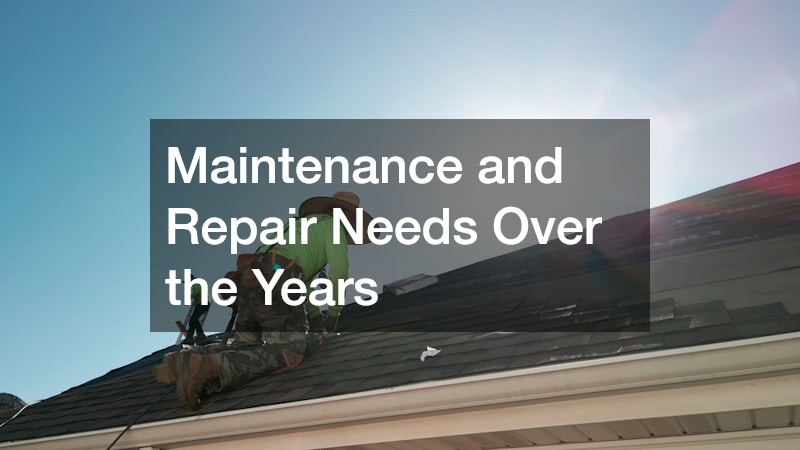
Every roof needs some upkeep, but the frequency and cost of that upkeep differ sharply between materials. Shingle roofs are more prone to wind damage, moss growth, and leaks around flashing, which often means calling a roof repair service every few years, particularly after major storms. Metal roofs are far more resistant to these issues, though they are not entirely maintenance-free.
- Shingles can lift or blow off in high winds, requiring patchwork repairs over time
- Metal panels can develop loose fasteners or seam issues that need occasional tightening
- Both materials benefit from annual inspections to catch small problems early
- Moss and algae growth are more common on shingles in humid or shaded areas
- Minor scratches on metal roofing are typically cosmetic and do not affect performance
Energy Efficiency and Utility Bill Impact
Metal roofing reflects a significant portion of solar radiant heat rather than absorbing it, which can noticeably reduce cooling costs in warmer climates. Many metal roofs are coated with specialized reflective finishes—often called “cool roof” coatings—that are specifically engineered to bounce back sunlight, keeping attic temperatures lower during peak summer months. Studies from the Department of Energy suggest reflective metal roofing can lower cooling costs by 10% to 25% compared to traditional asphalt shingles, depending on climate and insulation levels.
Asphalt shingles, by contrast, tend to absorb heat and radiate it into the attic space, forcing air conditioning systems to work harder throughout the day. This effect is especially pronounced in dark-colored shingles, which can reach surface temperatures well above 150°F on sunny afternoons. Homeowners in southern states or regions with long, intense summers typically see the most dramatic difference in energy consumption between the two materials.
Metal roofing can also offer modest benefits in colder climates by reflecting radiant heat loss when paired with proper insulation, though the savings are generally less dramatic than the summer cooling advantage. Some manufacturers even offer Energy Star-rated metal roofing products, which may qualify homeowners for utility rebates or tax incentives in certain areas. Over a decade or two, these combined energy savings can add up to a meaningful offset against the higher initial investment, sometimes recouping thousands of dollars over the roof’s lifespan.
Asphalt shingles, especially darker colors, tend to absorb heat and transfer it into the attic space, which can increase reliance on air conditioning. On a sunny summer day, shingle roof surfaces can reach 150°F or higher, and much of that heat radiates downward into the living space below. This effect drives up cooling costs, particularly in homes with poor attic insulation or ventilation.
Metal roofing reflects a much larger share of solar radiation, especially when finished with reflective pigmented coatings. Studies from the Cool Roof Rating Council suggest reflective metal roofs can lower roof surface temperatures by 50 to 60 degrees compared to standard shingles. That translates into measurable savings, with some homeowners reporting 10% to 25% reductions in summer cooling bills after switching to metal.
Some manufacturers now offer cool-roof shingle options with reflective granules, narrowing the efficiency gap somewhat. These products can help, but they typically don’t match the reflectivity or long-term performance of coated metal panels, since granule coatings can wear down over time. Metal roofs also pair well with radiant barriers and above-sheathing ventilation, further boosting efficiency in ways that are harder to replicate with shingles.
Still, homeowners in hot, sunny regions often see the fastest payback period when they choose metal for this reason alone. In colder climates, the energy savings are less dramatic but still meaningful, since metal roofing can also help reduce heat loss when installed with proper insulation. Factoring in regional utility rates and climate data can help homeowners estimate how quickly those energy savings might offset the higher upfront cost of metal.
Resale Value and Buyer Perception
A newer roof, regardless of material, tends to boost a home’s resale value, but metal roofing often carries an extra selling point because buyers recognize its longevity. According to Remodeling Magazine’s Cost vs. Value reports, metal roofing consistently recoups a higher percentage of its upfront cost at resale than asphalt shingles, often in the 60-70% range depending on region and market conditions.
Real estate agents frequently note that homes with metal roofs can market themselves as lower maintenance, which appeals to buyers who do not want to think about roof replacement anytime soon after moving in. This is especially persuasive to buyers who have owned homes before and remember the hassle and expense of a prior roof replacement.
Appraisers and inspectors also tend to view metal roofing favorably, since its 40-to-70-year lifespan means it will likely outlast the buyer’s ownership of the home entirely. Some insurance companies even offer premium discounts for metal roofs due to their fire resistance and durability against hail and wind, which savvy buyers may factor into their overall cost comparison.
This perception can translate into a faster sale or a stronger negotiating position, particularly in regions prone to severe weather where roof durability is top of mind. Sellers listing a home with an aging shingle roof, on the other hand, may find buyers using the need for near-term replacement as leverage to negotiate a lower price.
On the other hand, shingle roofs remain the expected standard in many neighborhoods, particularly in developments where homeowner associations or architectural guidelines encourage visual consistency from one house to the next. An unusual roofing choice can occasionally raise questions from buyers unfamiliar with metal systems, especially if they’ve only seen it used on barns, sheds, or commercial buildings rather than residential homes.
That said, buyer perception is shifting in many regions as metal roofing becomes more common on higher-end homes, and appraisers increasingly recognize its durability when calculating value. It helps to know your local market before assuming either option automatically adds more value, since a coastal town prone to storms may reward metal roofing far more generously than a suburb where shingles dominate every block.
Talking with a roofing contractor who understands regional buyer preferences can offer useful insight before you commit to one material over the other. A knowledgeable roofing contractor can also point you toward recent comparable home sales, giving you a clearer picture of how each material actually performed at resale rather than relying on generalized national trends.
Climate and Weather Resistance Considerations
Where you live plays a bigger role in this decision than many homeowners initially realize. Metal roofing tends to perform exceptionally well in areas prone to heavy snow, wildfire risk, or high winds, since it sheds snow load efficiently and carries a Class A fire rating in most cases. Shingles can still perform adequately in these conditions but generally require more frequent inspection and repair after severe weather events.
Hail is one area where the comparison gets more nuanced, since impact-resistant shingles have closed some of the gap with metal in hail-prone regions. Homeowners in coastal areas dealing with salt air and high humidity often lean toward corrosion-resistant metal alloys for added peace of mind. Local roofers who work in your specific climate zone can offer the most accurate guidance on which material will genuinely hold up best against your area’s weather patterns.
Installation Process and Contractor Considerations
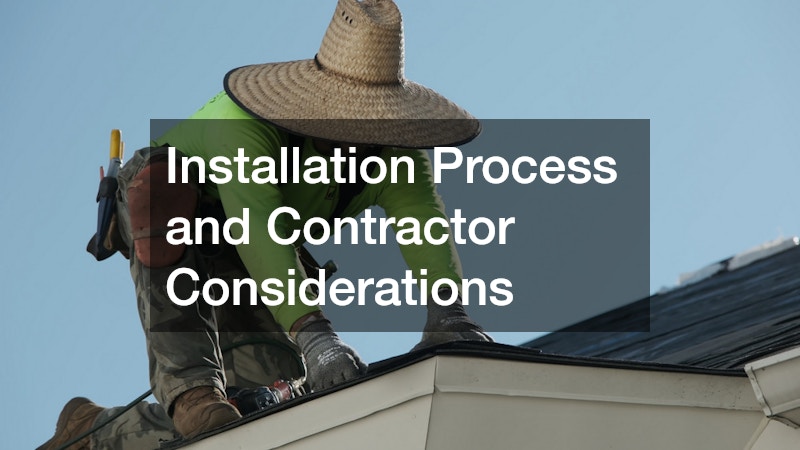
Installing a metal roof is a more specialized job than laying asphalt shingles, and not every crew has the training to do it correctly. Improperly installed metal panels can lead to leaks, noise issues, or premature wear, so it is worth confirming experience before hiring anyone for the project. Many established roofing companies offer both options, but it is fair to ask directly about their specific track record with metal roofing services.
Shingle installation remains widely available since it has been the industry standard for decades, and crews can typically complete the job in a single day for an average-sized home. Timelines differ for metal roofs, as those installations can take longer due to the precision required at seams and flashing points. Whichever material you choose, confirming licensing, insurance, and warranty terms upfront protects you from costly surprises down the road.
Long-Term Cost Comparison Over a Twenty-Year Span
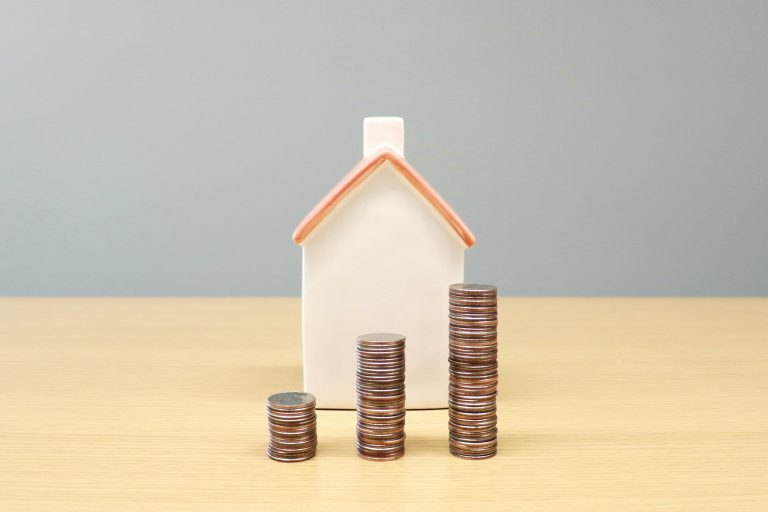
When you zoom out and calculate cost per year of service rather than upfront price alone, metal roofing often comes out ahead despite the higher initial investment. A shingle roof installed today may need significant repairs or full replacement within twenty years, while a metal roof installed at the same time could still have decades of life remaining. This changes the math considerably for homeowners planning to stay put for the long haul.
Factoring in fewer repairs, lower energy bills, and a longer service life, metal roofing frequently pays for itself over time, even though shingles win on initial affordability. Homeowners who move frequently or plan to sell within a decade may not see the same return, making shingles the more practical short-term choice in those cases. Running the numbers based on your own timeline is the clearest way to see which option actually saves money for your situation.
Steps to Take Before Choosing a Roofing Material
Before making a final decision, it helps to gather information specific to your home rather than relying on general averages. Start by getting a professional evaluation of your current roof’s condition, since sometimes a smaller local roof installation or targeted repair may buy you more time before a full overhaul is necessary. Comparing multiple bids also reveals a wider range of pricing and material options than you might expect.
- Request detailed written estimates that break down materials, labor, and warranty coverage
- Ask about financing options if the upfront cost of metal roofing is a concern
- Confirm how many years of hands-on experience each installer has with the specific material you’re considering
- Review online feedback and ask for references from recent customers
- Clarify whether roofing replacements include the removal and disposal of the old material
There is no universal right answer in the metal versus shingle debate, since the best choice depends on your budget, climate, and how long you plan to stay in your home. What matters most is making the decision with accurate numbers rather than guesswork, which means gathering real quotes and professional opinions before signing anything. Reach out to a few qualified professionals in your area, compare their recommendations, and choose the option that aligns with both your financial goals and your home’s long-term needs.
About the Author