Introduction
Maintaining and improving both residential and commercial properties requires more than reactive repairs. A proactive approach ensures that systems, structures, and essential equipment operate efficiently, safely, and effectively. Ignoring minor issues can lead to costly repairs, energy inefficiencies, and decreased comfort or usability. From interior and exterior upgrades to essential HVAC, plumbing, and water systems, proper maintenance protects property value, enhances safety, and improves overall satisfaction for residents and employees alike. This guide covers practical strategies for managing doors, HVAC systems, water quality, plumbing, and structural features. By combining professional expertise with routine preventive measures, homeowners and business owners can reduce emergencies, extend the life of equipment, and ensure a reliable, functional, and comfortable environment.
In today’s fast-paced world, efficiency and reliability are more important than ever. Whether managing a family home or a commercial facility, having systems that perform consistently reduces stress and improves daily operations. Preventive maintenance is not just about avoiding breakdowns—it’s about optimizing performance, improving sustainability, and creating a space that supports productivity and well-being. Taking a strategic approach allows property owners to plan upgrades, control costs, and avoid disruptions that could affect comfort or business operations.
Optimize Door Functionality and Space Efficiency
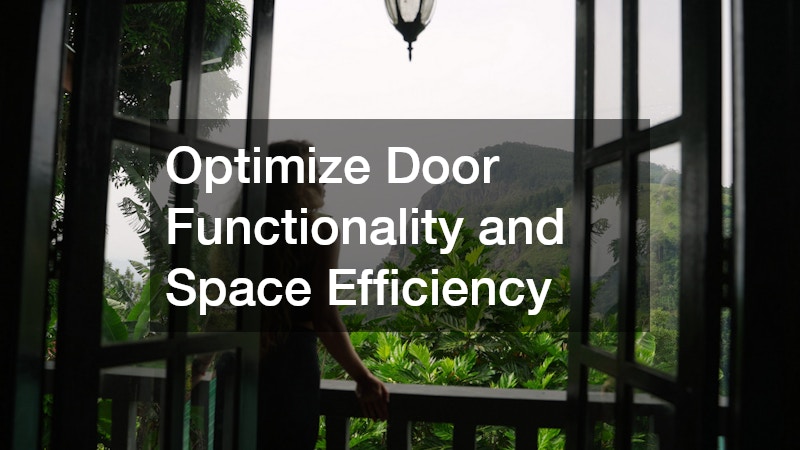
Efficient entryways and interior doors are essential for maximizing space and improving flow. Folding doors, for instance, are a popular solution for areas where traditional swing doors may be impractical. They allow for flexible room layouts, add aesthetic appeal, and provide easy access to patios, closets, or shared spaces.
Beyond functionality, doors play a major role in insulation, privacy, and security. Poorly maintained or improperly installed doors can lead to drafts, energy loss, and even safety concerns. Modern folding systems are designed to offer both style and performance, making them an excellent investment for both residential and commercial properties.
Tips for maintaining and optimizing folding doors include:
- Regularly inspecting tracks and hinges for wear or damage.
- Lubricating moving components to ensure smooth operation.
- Adjusting panels to prevent misalignment and sticking.
- Checking seals and weatherstripping to maintain insulation and energy efficiency.
- Consulting professionals for complex installations, particularly when integrating doors with smart home features or structural modifications.
Additional considerations include ensuring that door materials are suited to the environment. For example, exterior folding doors should be resistant to moisture and temperature changes, while interior doors can focus more on aesthetics and space-saving functionality.
Properly maintained doors not only improve usability but can enhance natural light flow and interior design, creating more open, inviting spaces while maximizing every square foot. Over time, these improvements contribute to better energy efficiency and a more comfortable living or working environment.
Enhance Water Quality for Health and Safety
A home water filtration system is a key investment for protecting health, appliances, and plumbing infrastructure. Contaminants, minerals, and impurities in untreated water can lead to appliance damage, poor taste, and health risks. Installing the right filtration system ensures clean, safe water for drinking, cooking, and bathing.
Water quality can vary significantly depending on location, making it important to test and understand your specific needs. Hard water, chlorine, sediment, and even bacteria can impact both health and system performance. A properly selected filtration system addresses these concerns while improving overall water usability.
Effective management strategies include:
- Selecting a filtration system that addresses specific water quality issues, such as hard water, sediment, or chlorine.
- Replacing filters according to manufacturer recommendations to maintain optimal performance.
- Inspecting components for leaks, corrosion, or blockages.
- Monitoring water pressure to ensure consistent flow and system effectiveness.
- Cleaning or flushing the system periodically to prevent buildup and maintain longevity.
Additional improvements may include installing whole-house systems that treat all incoming water or point-of-use filters for drinking and cooking areas. Combining filtration with regular maintenance ensures maximum effectiveness.
In addition to health benefits, a well-maintained filtration system reduces scale buildup in appliances like dishwashers, washing machines, and water heaters, improving efficiency and extending their operational life. Over time, this leads to lower repair costs and better overall performance.
Maximize HVAC Performance with Regular Inspections
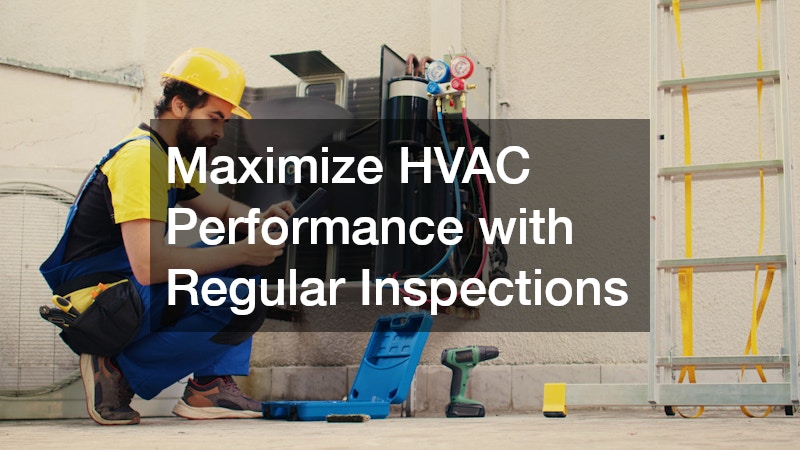
Regular AC inspection is critical to ensuring cooling systems operate efficiently and reliably. Neglecting routine checks can lead to reduced performance, higher energy bills, and expensive repairs down the line. Inspections help identify early signs of wear or failure before they become significant problems.
Routine inspections also contribute to better indoor air quality by ensuring filters, coils, and ducts are clean and functioning properly. This is especially important in environments where air quality directly impacts comfort and health.
During an inspection, consider these steps:
- Checking refrigerant levels and recharging if necessary.
- Cleaning and inspecting coils to prevent airflow restrictions.
- Verifying thermostat calibration and functionality.
- Examining ductwork for leaks or blockages.
- Inspecting fan motors, belts, and electrical connections for wear.
Homeowners should schedule inspections at least once a year, ideally before the peak cooling season. This proactive approach ensures consistent comfort, energy efficiency, and reduces the likelihood of mid-season breakdowns.
In addition, upgrading to smart thermostats and energy-efficient systems can further enhance performance. These technologies allow for better control, reduced energy consumption, and improved comfort throughout the property.
Work with Trusted Commercial HVAC Contractors
For larger buildings, commercial HVAC systems are more complex and require specialized knowledge. Working with experienced commercial HVAC contractors ensures proper installation, maintenance, and repair, minimizing downtime and maintaining energy efficiency.
Commercial systems often operate under heavier loads and require more frequent maintenance. Partnering with professionals ensures that systems are calibrated correctly and operating at peak efficiency.
Key considerations include:
- Selecting contractors with industry certifications and proven experience.
- Planning preventive maintenance to extend system lifespan.
- Addressing refrigerant, airflow, and electrical issues before they escalate.
- Coordinating with contractors for phased upgrades or replacements to minimize business disruption.
Regular communication with contractors also allows for better planning and budgeting. Scheduled maintenance reduces unexpected failures and ensures that systems continue to meet operational demands.
Well-maintained commercial HVAC systems not only improve employee comfort but also support operational efficiency and reduce long-term utility costs.
Maintain Cold Storage with Professional Refrigeration Repair
Businesses that rely on cold storage require regular commercial refrigeration repair to maintain proper temperatures and protect inventory. Even minor equipment failures can result in significant losses if products spoil or machinery malfunctions.
Consistent temperature control is critical for industries such as food service, healthcare, and retail. Regular maintenance ensures that systems operate within required parameters and comply with safety regulations.
Preventive maintenance strategies include:
- Scheduling routine inspections for compressors, fans, and thermostats.
- Cleaning condenser coils to prevent overheating.
- Monitoring temperature logs to detect early deviations.
- Checking seals and insulation for leaks that could compromise efficiency.
- Promptly repairing minor issues to prevent costly downtime.
Implementing backup systems and alarms can provide additional protection against unexpected failures. These systems alert operators to temperature changes, allowing for quick intervention.
Regular maintenance ensures refrigeration systems operate reliably, extend their service life, and protect both inventory and revenue.
Keep HVAC Systems Running Smoothly
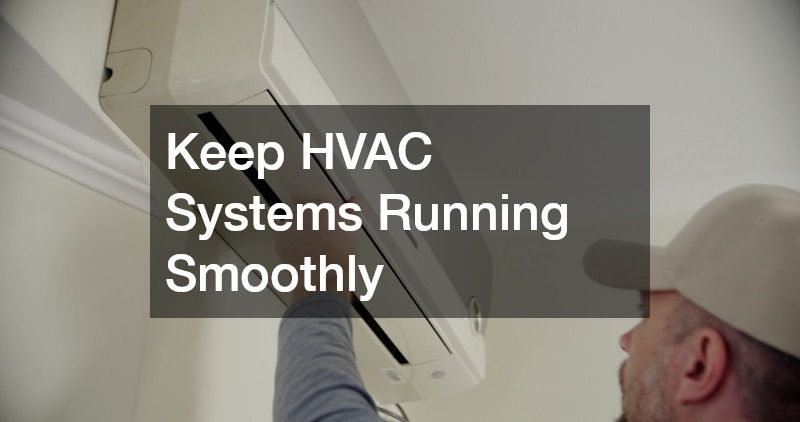
Both heating repair and ac repair are crucial for maintaining year-round comfort in residential and commercial properties. Neglecting system issues can lead to inconsistent temperatures, higher energy bills, and increased risk of breakdowns.
HVAC systems are among the most heavily used components in any property, making regular maintenance essential. Addressing small issues early prevents larger, more expensive problems later.
Key indicators for repair include:
- Strange noises or vibrations from HVAC units.
- Uneven heating or cooling throughout a space.
- Rising energy bills without increased usage.
- Frequent cycling or system shutdowns.
Preventive tips include:
- Scheduling seasonal maintenance to inspect and clean components.
- Replacing filters regularly to maintain airflow and indoor air quality.
- Testing thermostats and controls to ensure accurate operation.
Investing in regular maintenance not only improves efficiency but also extends the lifespan of your system, ensuring reliable performance throughout the year.
Maintain Plumbing Systems for Health and Functionality
Proper plumbing maintenance ensures sanitation, prevents backups, and extends the life of your home or commercial property’s systems. Septic pumping is essential to prevent overflow, foul odors, and costly repairs. Regular pumping schedules vary depending on household size, water usage, and tank capacity.
In addition to routine pumping, it’s important to be mindful of how daily habits impact your septic system. Excessive water use, improper disposal of grease, and flushing non-biodegradable items can all strain the system and reduce its efficiency. Educating household members or employees about proper usage can significantly reduce the risk of issues and extend the lifespan of the system.
Sewer cleaning service is equally important to maintain the flow and prevent clogs. Preventive strategies include:
- Inspecting sewer lines periodically for signs of blockage or damage.
- Avoiding flushing inappropriate materials that can cause buildup.
- Scheduling routine professional cleaning to remove debris and roots.
- Monitoring water flow and pressure to detect early issues.
Homeowners should also watch for warning signs such as slow drains, gurgling noises, or unpleasant odors, which may indicate developing problems within the system. Addressing these signs early can prevent more serious and costly repairs.
Additional steps such as installing backflow preventers and maintaining proper drainage systems can further protect plumbing infrastructure. Ensuring that gutters and downspouts direct water away from the foundation also helps reduce strain on underground plumbing systems.
Proper plumbing care minimizes health risks, prevents property damage, and avoids costly emergency interventions. A proactive approach ensures that your system remains reliable and efficient for years to come.
Upgrade Windows and Doorways for Efficiency
Working with a reliable window company ensures proper installation of energy-efficient, secure, and visually appealing windows. Combining window upgrades with folding doors can improve natural light, ventilation, and aesthetic continuity throughout a home or commercial space.
Upgrading windows and doorways is not only about appearance—it also plays a significant role in insulation and energy savings. Older windows often allow drafts and heat transfer, making it harder to maintain consistent indoor temperatures. Modern solutions are designed to minimize energy loss while enhancing comfort.
Modern windows offer improved insulation, noise reduction, and UV protection, making them a valuable upgrade for any property. These features are particularly beneficial in busy urban areas or regions with extreme weather conditions.
Maintenance tips include:
- Inspecting seals and caulking for leaks.
- Cleaning tracks and frames to prevent operational issues.
- Replacing cracked or damaged glass promptly.
- Ensuring alignment with folding doors for smooth operation and insulation.
Additional considerations include upgrading to double- or triple-pane glass for enhanced insulation and using low-emissivity coatings to reduce heat transfer. Proper installation is just as important as the materials themselves, as gaps or misalignment can reduce efficiency.
These upgrades improve energy efficiency, reduce utility costs, enhance safety, and boost property value. Over time, the savings on energy bills can offset the initial investment, making this a practical and worthwhile improvement.
Create a Comprehensive Maintenance Plan

Combining HVAC, plumbing, water filtration, and structural upgrades into a coordinated plan ensures long-term performance and efficiency. A comprehensive maintenance schedule helps track inspections, repairs, and preventive actions.
A well-structured plan allows property owners to stay organized and proactive rather than reactive. By anticipating maintenance needs, you can avoid unexpected breakdowns and better manage your budget.
Steps to create an effective plan:
- Prioritize tasks based on urgency, season, and usage.
- Set aside a budget for ongoing maintenance and repairs.
- Keep detailed records of all services performed.
- Build relationships with trusted professionals to ensure timely and reliable service.
- Review and update the plan annually to adapt to changing needs or property expansions.
To further enhance your plan, consider breaking tasks into monthly, quarterly, and annual checklists. This approach makes maintenance more manageable and ensures that no critical tasks are overlooked.
Using digital tools or maintenance apps can help streamline tracking and scheduling, making it easier to stay organized. Automated reminders and service logs can improve consistency and accountability.
Consistent execution reduces emergencies, extends equipment and structural lifespan, and ensures a safe and comfortable environment. Over time, a well-maintained property requires fewer major repairs and retains higher value.
Conclusion
Maintaining both residential and commercial properties requires proactive planning, timely repairs, and strategic upgrades. By addressing doors, HVAC systems, plumbing, water quality, and structural features through regular inspections and professional services, property owners can prevent costly emergencies, improve comfort, and maintain long-term value. Combining preventive maintenance with thoughtful upgrades ensures properties remain safe, efficient, and visually appealing.
Taking a long-term perspective allows property owners to make smarter decisions about repairs and improvements. Instead of reacting to problems, a proactive approach focuses on prevention, efficiency, and sustainability. This not only reduces stress but also creates a more predictable and manageable maintenance process.
Whether focusing on minor repairs, major renovations, or system improvements, an organized approach maximizes functionality, reduces long-term costs, and provides peace of mind. A well-maintained property reflects care, protects investments, and supports the lifestyle and operations of all occupants.
About the Author