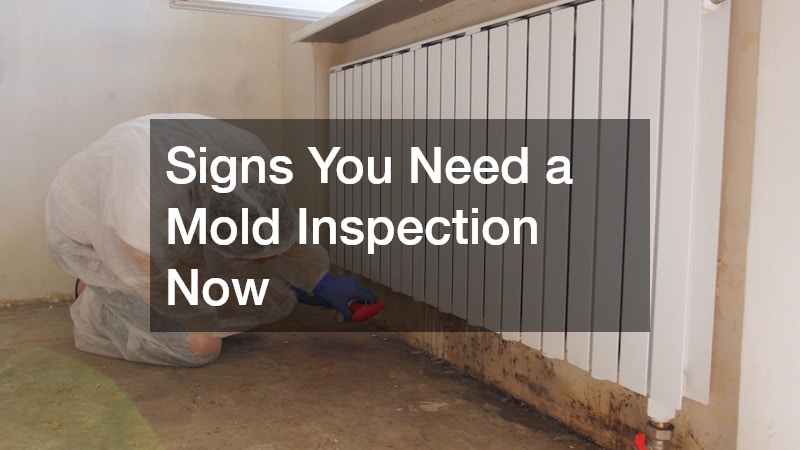
Mold is more than just an unsightly nuisance; it’s a potential health hazard lurking in countless households. However, many homeowners remain unaware of when or why they should have a professional mold inspection. This article dives into the key indicators that suggest you might need to schedule a mold inspection without delay.
What Are Common Indicators of Mold Presence?
Visible Mold Growth
When you can visibly see mold growing in your home, it’s a definite sign that you need an inspection. Mold can take various forms and show up in colors such as black, green, brown, and even white, each requiring a different approach.
Ignoring visible mold can allow it to spread, potentially damaging household structures and health. It’s crucial to identify the specific type of mold to determine the appropriate remediation plan.
Visible mold often grows in damp, hidden corners, making it easy to overlook in areas like basements or attics. Addressing these growths promptly can prevent more extensive issues down the line.
Unexplained Health Issues
If you or your family are experiencing allergic reactions or respiratory problems, it might be due to hidden mold. Symptoms such as coughing, sneezing, or itchy eyes without an apparent cause might need an urgent mold inspection to uncover potential risks.
Mold spores can trigger asthma attacks or cause asthma-like symptoms for those who previously didn’t suffer from the condition. Understanding these connections may help in identifying mold-related health concerns.
Chronic fatigue, headaches, and unexplained skin irritations are additional health issues linked to mold exposure. Consulting with a healthcare professional along with seeking a mold inspection can provide relief and clarity.
Can Mold Be Present Even If You Can’t See It?
Musty Odors
A persistent musty smell is a telltale sign of mold. These odors might indicate problems hidden within your walls, floors, or other surfaces even if mold is not immediately visible.
Such smells typically stem from mold growing in less accessible places, like wall cavities or beneath flooring. Ignoring these odors can lead to more severe mold infestations and costlier interventions.
If musty odors persist despite cleaning, a professional inspection might reveal hidden mold burdens. Swift action on these signs helps in safeguarding the indoor air quality of your home.
Water Damage or Leaks
Previous or ongoing water damage is a breeding ground for mold. Water issues like leaks and floods provide the moisture mold requires to grow, often proliferating behind the scenes.
Even small leaks or damp areas, like a leaky faucet or a damp basement corner, can invite mold to form colonies. Tracing water damage back to mold growth can prevent damage and health problems.
Unresolved leaks can lead to significant and costly structural damage as mold weakens building materials over time. Identifying and repairing these issues can be one of the most crucial steps in mold control.
Should You Conduct an Inspection Before Buying or Selling a Home?
Importance for Buyers
For potential homeowners, mold inspections are crucial before purchase to avoid future problems and costly fixes. Early detection can help buyers make informed decisions and bargain for necessary repairs or price adjustments.
A thorough inspection ensures that new homeowners aren’t taken by surprise with hidden mold issues after purchase. This step can be vital in safeguarding your investment and peace of mind.
Knowing the home’s mold-related history, including previous infestations or water damage, can influence purchasing choices. Buyers can arrange for professional evaluations to ensure the property is in a healthy condition.
Importance for Sellers
Sellers benefit from a pre-sale inspection by addressing issues that might deter buyers. Mold remediation before listing minimizes potential complications, ensuring the sale proceeds smoothly.
Addressing mold issues upfront protects the sale and can maintain or enhance property value, a crucial factor in a competitive market. Having documentation of any past mold treatment can also be reassuring for potential buyers.
Taking proactive measures against mold can differentiate your property, showing it as well-maintained to potential buyers. This approach can create confidence in your home’s condition and increase its market appeal.
Whether you’re buying, selling, or maintaining a property, understanding the signs that indicate a need for mold inspection is paramount. With the information provided, equip yourself to recognize potential mold issues and prevent the complications they can cause.
About the Author