Homeowners regularly face decisions about whether a damaged or aging part of the property should be repaired or replaced. A small issue can often be addressed without replacing an entire system, but repeated failures, extensive damage, age, or declining performance can change the equation. Knowing when replacement deserves consideration can help homeowners plan for larger expenses and avoid continuing to put money into equipment or materials that are nearing the end of their useful life.
A professional inspection can provide useful information when the condition isn’t obvious. Rather than waiting for a complete failure, homeowners can pay attention to recurring warning signs and discuss their options with qualified professionals. Understanding these signs can make it easier to plan ahead and determine when replacement may be worth considering.
Knowing When a Roof Needs More Than a Repair
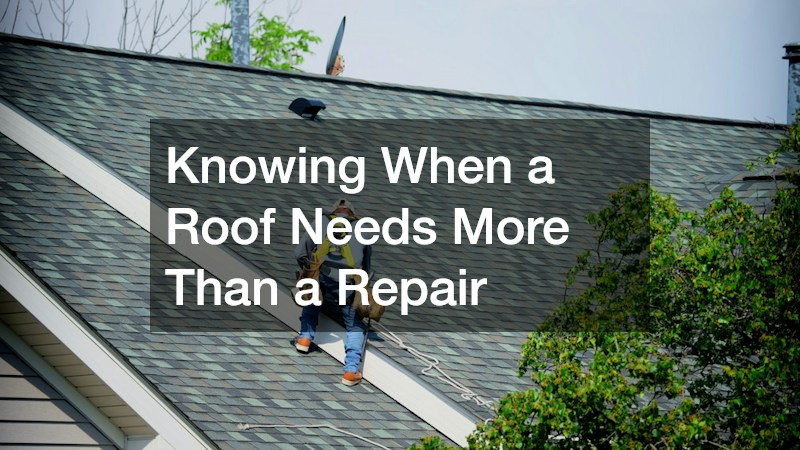
A roof can often be repaired when damage is limited to a small area. Missing shingles, minor leaks, damaged flashing, and isolated weather damage may not require replacing the entire roofing system. However, extensive or recurring problems can indicate that the roof is approaching the end of its service life.
The age of the roof is one factor to consider. Different roofing materials have different expected lifespans, so homeowners should consider the specific material installed on the property. An older roof with widespread wear may continue to develop problems even after individual damaged areas are repaired.
The extent of the damage also matters. Multiple leaks, widespread shingle deterioration, sagging areas, extensive moisture damage, or significant deterioration beneath the roofing material can point to larger problems. Repeated repairs may become less practical when new issues continue appearing in different sections.
Homeowners can also look for signs of deterioration from the ground, although a professional evaluation is needed to determine the condition of the entire system. Curling, cracking, missing, or heavily worn shingles may indicate that the roof needs more extensive attention.
A professional providing a roof repair service can evaluate whether a localized repair is appropriate or whether replacement should be considered. Getting this assessment before a major failure can give homeowners more time to compare materials, establish a budget, and plan the work.
Recognizing When an Air Conditioner Is Beyond Repair
An air conditioner may need occasional repairs during its service life. A malfunctioning component doesn’t automatically mean the entire system needs to be replaced. However, repeated breakdowns or declining performance can signal that replacement is becoming a more reasonable option.
Age is an important consideration. Older air conditioning systems may have more wear on their major components, and replacement parts can become more difficult or costly to obtain. Homeowners should consider the system’s overall condition rather than making a decision based on age alone.
Frequent service calls can also be a warning sign. If the same system requires repairs repeatedly, the combined expense may become significant. A technician can review the system’s history and explain whether the current problem is isolated or part of a broader pattern.
Performance can provide another clue. An air conditioner that struggles to maintain the desired indoor temperature, runs for unusually long periods, or produces inconsistent cooling may need more than a single repair. Reduced performance can have several causes, so a professional diagnosis is important before deciding on replacement.
Homeowners can also compare the estimated AC repair cost with the age and condition of the equipment. A relatively inexpensive repair on a newer, well-maintained system may make sense, while a major repair on an older system may prompt a discussion about replacement.
Deciding When Plumbing Problems Require Replacement
Plumbing problems can range from minor leaks to significant failures involving pipes, fixtures, or other components. A plumbing repair service can address isolated issues, but recurring leaks or extensive deterioration may indicate that replacement is needed.
The location and extent of the problem should be considered first. A single damaged fixture or connection may only need a targeted repair, while multiple leaks can suggest that underlying pipes or other components are deteriorating. Persistent leaks can also cause damage to walls, floors, ceilings, cabinets, and other materials.
The age and material of the plumbing system can also influence the decision. If one repair is followed by another in a different area, continuing to address individual failures may not provide a long-term solution. A professional can assess the system and determine whether repairing specific components or replacing a larger portion makes more sense.
Identifying When an HVAC System Has Reached the End
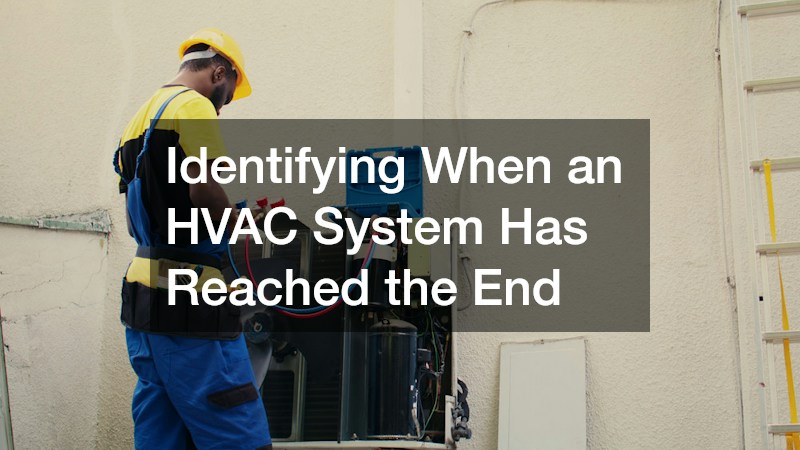
Heating and cooling equipment can often be repaired several times during its service life. However, recurring breakdowns, declining performance, and aging components can eventually make replacement a consideration.
One of the clearest signs is a pattern of repeated repairs. An occasional repair doesn’t necessarily indicate that a system needs to be replaced, but frequent service calls can suggest that multiple components are reaching the end of their service lives.
Uneven heating or cooling can also indicate a problem. Some issues can be corrected through repairs, maintenance, or adjustments, but persistent performance problems may point to equipment that is no longer operating effectively.
Unusual sounds, odors, or cycling patterns should also be evaluated. These symptoms can have relatively simple causes, but they can sometimes accompany larger equipment problems. Homeowners shouldn’t assume that a particular symptom automatically means replacement is necessary.
Energy performance is another consideration. Older equipment may use more energy than newer systems, although actual savings from replacement depend on the equipment, home, usage patterns, and other factors. A professional can compare the condition of the existing system with available replacement options.
When considering HVAC repair, homeowners can ask for a clear explanation of the problem, the proposed repair, and the expected condition of the system afterward. This information can help them weigh a repair against replacement based on the equipment’s overall condition.
Determining When a Well Pump Needs Replacement
A well pump is essential for homes that depend on private wells for their water supply. When a pump stops working correctly, homeowners may notice reduced water pressure, inconsistent water flow, unusual noises, or a complete loss of water.
Some pump problems can be repaired by replacing a specific component. Electrical issues, pressure-switch problems, or certain mechanical failures may not require replacing the entire pump. However, a severely worn or repeatedly failing pump may eventually need replacement.
The pump’s age and service history can help inform the decision. A relatively new pump with an isolated issue may be worth repairing, while an older pump experiencing repeated failures may warrant a discussion about replacement.
Changes in water pressure can also provide useful information. Low or inconsistent pressure can have several possible causes, including problems outside the pump itself, so homeowners shouldn’t assume the pump is responsible without a proper diagnosis.
A local well pump repair professional can inspect the equipment and determine what is causing the problem. The evaluation can help homeowners understand whether a component replacement, pump repair, or new pump would address the issue.
Homeowners should also consider the inconvenience of repeated failures. For a property that relies entirely on a well, an unreliable pump can disrupt everyday activities that depend on a steady water supply. Planning for replacement before a complete failure may provide more control over the timing of the work.
Knowing When a Sump Pump Should Be Replaced
Sump pumps help remove accumulated water from a sump basin and can play an important role in managing basement or crawl-space moisture. Because the pump may operate during heavy rain or periods of elevated groundwater, reliability is particularly important when homeowners depend on it for water management.
A pump that stops working unexpectedly can leave a property vulnerable to water accumulation. Warning signs can include unusual noises, inconsistent operation, frequent cycling, failure to activate, or reduced pumping performance.
Age is another factor. Even if an older sump pump still works, homeowners may want to discuss its condition with a professional rather than waiting for a failure during a major storm. A backup pump or other backup system may also be appropriate for some properties.
Repeated repairs can influence the decision as well. If a sump pump requires frequent service or multiple components have failed, replacing the unit may be worth considering. A professional can assess whether another repair is likely to provide dependable operation.
The condition of the discharge system should also be evaluated. Replacing a pump won’t necessarily solve problems caused by blocked discharge lines, improper drainage, or other issues. A complete evaluation can help identify the actual source of the problem.
When discussing sump pump repair, homeowners can ask about the pump’s overall condition, expected remaining service life, and whether repair or replacement makes more sense based on the equipment’s history.
Recognizing When Repeated Plumbing Problems Add Up
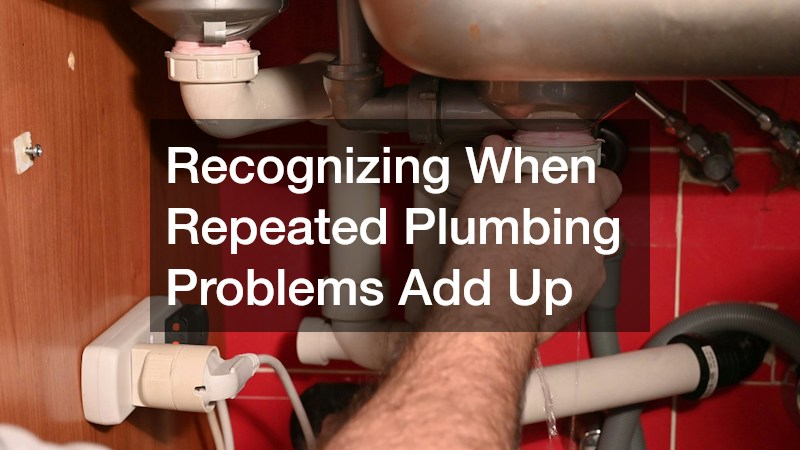
One plumbing repair may not be a reason to replace a larger portion of the system. However, homeowners who continually deal with leaks, clogs, damaged fixtures, or other issues may want to look at the bigger picture.
Keeping track of previous repairs can help reveal patterns. If several problems have occurred within a short period, the plumbing system may be experiencing broader deterioration. The age and material of the pipes can also help explain why issues are recurring.
Homeowners should distinguish between unrelated isolated problems and multiple failures that appear connected. A professional inspection can help determine whether the plumbing problems stem from individual components or a larger system issue.
Repair costs can also add up over time. A series of smaller repairs may eventually represent a substantial investment, particularly if each repair only addresses one symptom and additional problems continue to develop.
That doesn’t mean replacement is automatically the right answer. A professional should evaluate the system and explain what replacement would involve, which portions actually need attention, and whether repairs can reasonably extend the system’s service life.
For homeowners facing recurring plumbing repairs, comparing the short-term cost of another repair with the long-term condition of the system can provide a more complete basis for the decision.
Deciding When Damaged Pavement Needs Replacement
Driveways, parking areas, walkways, and other paved surfaces can develop cracks, potholes, drainage problems, and other forms of deterioration. Some damage can be repaired without replacing the entire surface, but extensive deterioration may require a larger project.
Small cracks can sometimes be addressed before they expand. However, widespread cracking, significant potholes, severe surface deterioration, and structural problems may indicate that patching will only provide a temporary solution.
Drainage can also affect pavement condition. If water repeatedly collects beneath or on the surface, repairs may not last unless the underlying drainage problem is addressed. A professional can assess whether the issue is limited to the pavement or connected to the property’s grading and drainage.
The amount of damaged area is another consideration. If problems are concentrated in a small section, a localized repair may be practical. When damage covers much of the driveway or paved area, replacement may provide a more comprehensive solution.
Before scheduling asphalt repair, homeowners can ask about the cause of the damage and whether the proposed work addresses that cause. Understanding the condition beneath the visible surface can help homeowners avoid repeatedly repairing the same problem.
Knowing When Chimney Damage Requires More Than Repairs
Chimneys are exposed to weather throughout the year, so masonry, flashing, mortar joints, crowns, and other components can eventually deteriorate. Minor cracks or isolated areas of damage may be repairable, while widespread deterioration can require more extensive work.
Visible cracks can be a warning sign, particularly when they are accompanied by crumbling mortar, damaged masonry, or signs of moisture intrusion. Water can contribute to further deterioration when it enters areas that aren’t properly protected.
The condition of the chimney crown and flashing can also affect the structure. Problems in these areas can allow water to reach portions of the chimney and surrounding roof system.
A professional chimney inspection can identify damage that isn’t easily visible from the ground. The inspection can also help determine whether the issue involves a localized repair or more substantial reconstruction.
Homeowners should consider the chimney’s overall age and condition rather than focusing only on one damaged area. If deterioration is widespread, repeated repairs may not address the full problem.
When discussing chimney repair, homeowners can ask whether the proposed work is intended to restore a limited area or address broader deterioration. This distinction can help clarify the scope and expected longevity of the work.
Determining When a Garage Door Needs Replacement
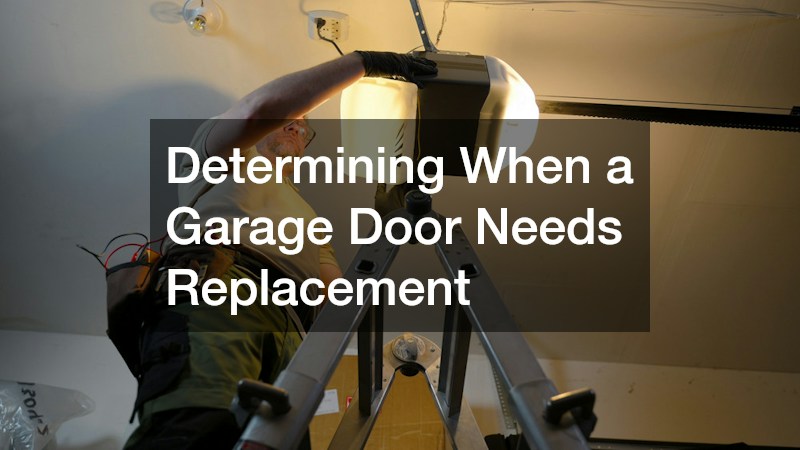
A garage door contains multiple moving parts and can experience wear from regular operation. Springs, rollers, cables, tracks, openers, panels, and other components can sometimes be repaired or replaced individually.
However, extensive damage to the door itself can make replacement more practical. Severe panel damage, significant corrosion, repeated mechanical problems, or a door that no longer operates reliably may indicate that the entire system needs to be evaluated.
Safety is particularly important with garage doors because they are heavy and contain components under substantial tension. Homeowners should avoid attempting repairs involving springs, cables, or other potentially hazardous components without the appropriate training.
Frequent repair calls can also indicate that the door is reaching the end of its useful life. If multiple components have required replacement within a relatively short period, homeowners may want to compare the cost of continued repairs with the cost of a new door and related hardware.
Appearance can be another consideration. A damaged or severely worn garage door can affect the exterior appearance of the property. Replacement can provide an opportunity to select a door that fits the home’s design while addressing functional concerns.
A professional providing garage door repair can evaluate the door, opener, tracks, springs, and other components. This assessment can help homeowners determine whether an individual repair is sufficient or whether replacing the system should be considered.
Deciding whether to repair or replace a home component isn’t always straightforward. A minor problem doesn’t necessarily justify a major replacement, and an older component doesn’t automatically need to be discarded. The right decision depends on the condition of the system, the extent of the damage, its age, repair history, expected remaining service life, and the cost and scope of the proposed work.
Ultimately, repair and replacement decisions are best based on the property’s actual condition rather than a single rule. By reviewing repair history, getting professional assessments, comparing costs, and considering long-term performance, homeowners can make informed choices about which parts of their homes should be repaired and which may be ready for replacement.
About the Author